

Stop Killing Your Monsteras: The Best Plant ID and Watering Schedule Apps in 2026
Keeping houseplants healthy is often harder than it looks. Many indoor plants fail not because of neglect, but because their care requirements are misunderstood. Different species need different amounts of sunlight, humidity, and water, and following a generic schedule like “water once a week” can quickly lead to overwatering or dried-out roots.
That is why plant care apps have become increasingly popular. Modern apps combine image recognition, care reminders, and environmental tracking to help users identify plants and maintain healthier watering routines. Some even adjust care schedules based on seasonal changes, local weather, or lighting conditions inside the home.
After testing a range of popular plant-care platforms in real-world indoor environments, these four apps stood out for their accuracy, usability, and practical day-to-day value.
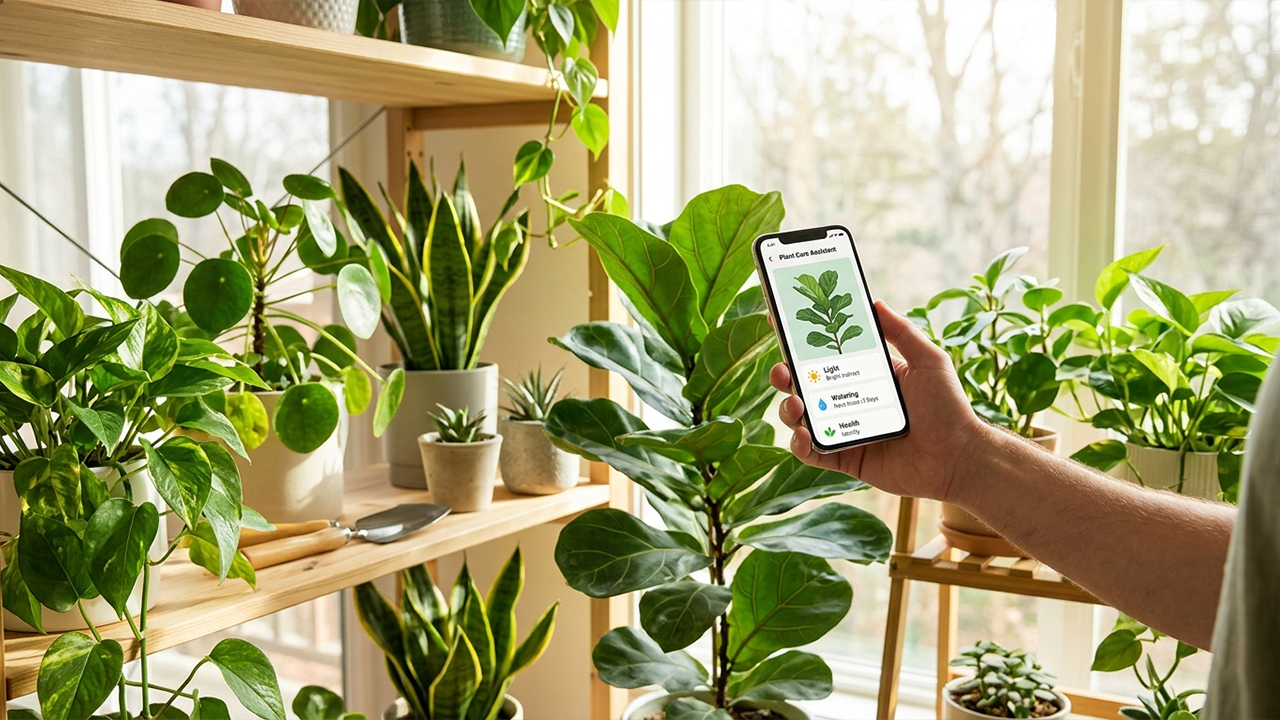
1. Planta (iOS & Android)
Available on: App store, Google Play
Why It Stands Out
Planta is one of the most complete houseplant care apps currently available. Instead of relying on rigid watering calendars, the app adapts recommendations based on a plant’s environment and growing conditions.
During testing, Planta’s setup process was more detailed than most competitors. Users can enter information such as room type, window direction, and pot material, allowing the app to generate more customized care schedules. For example, plants placed near bright south-facing windows may receive different watering reminders than the same species kept in lower-light rooms.
One of the app’s strongest features is its built-in light meter, which helps users evaluate whether a plant is receiving enough light. The app also adjusts watering reminders seasonally, reducing schedules during slower winter growth periods and increasing them during active growing seasons.
In addition to watering reminders, Planta includes tasks for fertilizing, misting, repotting, and general maintenance.
Pros
Smart watering schedules adapt to environmental conditions.
Includes reminders for fertilizing, misting, and repotting.
Built-in light meter helps evaluate plant placement.
Useful for managing larger indoor plant collections.
Cons
Many advanced tools require a premium subscription.
Initial setup takes more time than simpler apps.
Pricing
Free with optional premium plans starting around $69.99/year
2. PictureThis (iOS Only)
Available on: App store
Why It Stands Out
PictureThis excels at plant identification. Its image-recognition system is fast, accurate, and particularly effective with uncommon houseplants or species that look very similar.
During testing, the app consistently identified plants correctly even under imperfect lighting conditions. It performed especially well with tropical houseplants, trailing vines, and variegated species that are often difficult to distinguish manually.
The app also includes a useful plant health diagnosis feature. Users can photograph damaged leaves or discoloration, and the app attempts to identify common issues such as fungal infections, pests, or nutrient deficiencies.
Although PictureThis includes basic watering reminders, identification and disease detection remain its biggest strengths.
Pros
Excellent plant-identification accuracy.
Helpful disease and pest detection tools.
Fast scanning and clean search results.
Includes toxicity warnings for pets and children.
Cons
Frequent upgrade prompts can feel intrusive.
Watering schedules may still require manual adjustment for some plants.
Pricing
Free with limited scans; premium plans typically range from $29.99–$39.99/year
3. Greg (iOS & Android)
Available on: App store, Google Play
Why It Stands Out
Greg takes a more data-driven approach to watering schedules. Instead of using fixed reminders, the app estimates how quickly a plant loses moisture based on environmental conditions and container size.
During testing, Greg stood out for its personalized watering recommendations. Users enter details such as pot size, local humidity, and lighting conditions, and the app calculates when plants are likely to need water again.
Unlike many competitors that simply say “water today,” Greg often suggests the approximate amount of water to use, making its recommendations feel more practical and precise.
The app also includes a strong social component, allowing users to share plant updates, ask questions, and connect with other indoor gardeners.
Pros
Personalized watering recommendations.
Suggests estimated water quantities for plants.
Active plant-care community and social features.
Modern, easy-to-use interface.
Cons
Setup requires more manual information.
Some users may prefer simpler scheduling systems.
Pricing
Free with optional premium membership around $29.99/year
4. PlantNet (iOS & Android)
Available on: App store, Google Play
Why It Stands Out
PlantNet is best suited for users who primarily want accurate plant identification without subscriptions or aggressive monetization.
Developed through research collaborations and citizen-science projects, the app focuses heavily on botanical accuracy. Users can upload multiple images — such as leaves, flowers, stems, or fruit — to improve identification results.
During testing, PlantNet performed particularly well with mature plants and outdoor species, though it also handled many common houseplants effectively.
Unlike the other apps on this list, PlantNet does not include watering reminders or plant-care scheduling tools. It functions more as a scientific identification database than a full plant-care assistant.
Pros
Completely free to use.
Detailed botanical information and classifications.
Multi-photo scanning improves identification accuracy.
No ads or aggressive subscription prompts.
Cons
No watering reminders or care schedules.
Interface feels more technical than consumer-focused apps.
Pricing
Free
Final Verdict
Each app serves a slightly different purpose, so the best option depends on what type of plant owner you are.
For users who want an all-in-one plant care assistant, Planta remains the strongest overall choice thanks to its adaptive watering schedules, environmental tracking, and broad care-management tools.
Meanwhile, PictureThis is ideal for users who prioritize fast and accurate plant identification, especially for rare or difficult-to-identify species.
For plant owners who want highly personalized watering recommendations and community interaction, Greg offers one of the most unique approaches available.
And for users who simply need a reliable, research-focused identification tool without subscriptions, PlantNet remains an excellent free option.
No app can completely replace hands-on observation and experience, but the right plant-care app can make indoor gardening far less confusing — and significantly improve the odds of keeping houseplants healthy long term.