

Spotting Fake Discounts: Mobile Calendars to Track Amazon Price History Before Buying
Online shoppers are likely familiar with the thrill of spotting a steep discount on an item that has been sitting in their cart for weeks. A bright red "Limited Time Deal" badge or a claim of "30% off" can instantly trigger an impulse to checkout. However, in the world of algorithmic e-commerce, those slashes to the manufacturer’s suggested retail price (MSRP) are frequently an illusion.
Retailers frequently inflate prices right before a sales event to make standard prices look like massive discounts. To ensure that a discount is legitimate, consumers must look at historical pricing data. By tracking an item's price history chart, shoppers can see exactly what an item cost last week, last month, or during previous holiday sales.
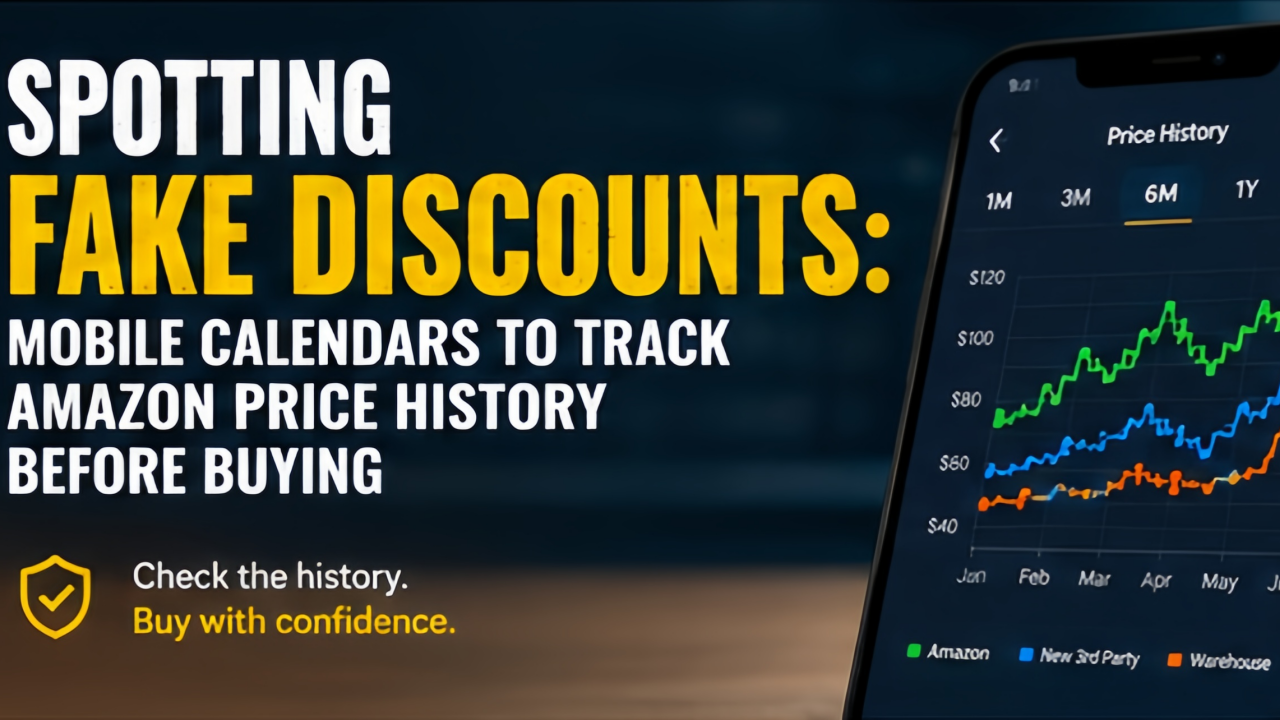
To find out which platforms provide the clearest look at historical trends on mobile, several dedicated price tracking applications were evaluated. Testing focused on database volume, the clarity of the mobile charting interfaces, and the speed of their price-drop push alerts.
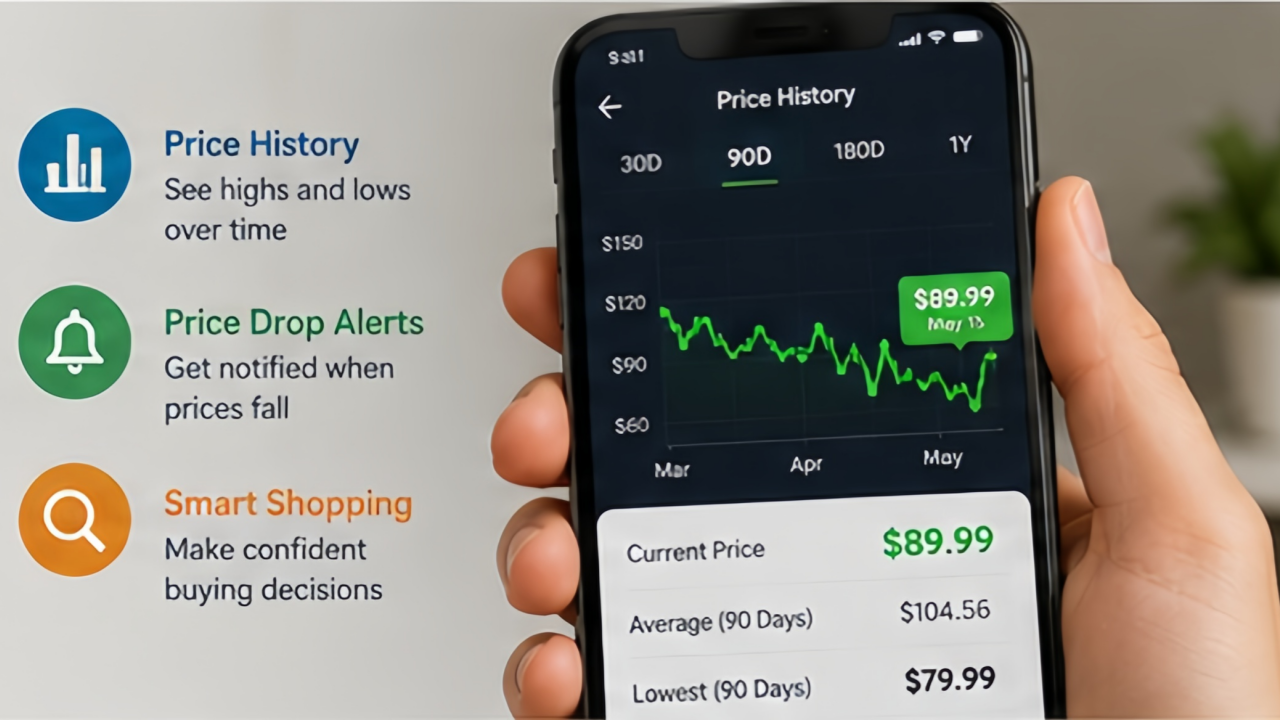
1. Keepa - Amazon Price Tracker
Availability: App Store, Google Play
Pricing: Free basic tier; premium features (like detailed Sales Rank charts) cost approximately 19 EUR/month.
Keepa is widely regarded as the ultimate power-user choice for e-commerce data tracking. While it grew in popularity as a desktop browser extension, its official mobile app packs identical, hyper-detailed analytical data directly into a phone-friendly viewport.
The Reality Check
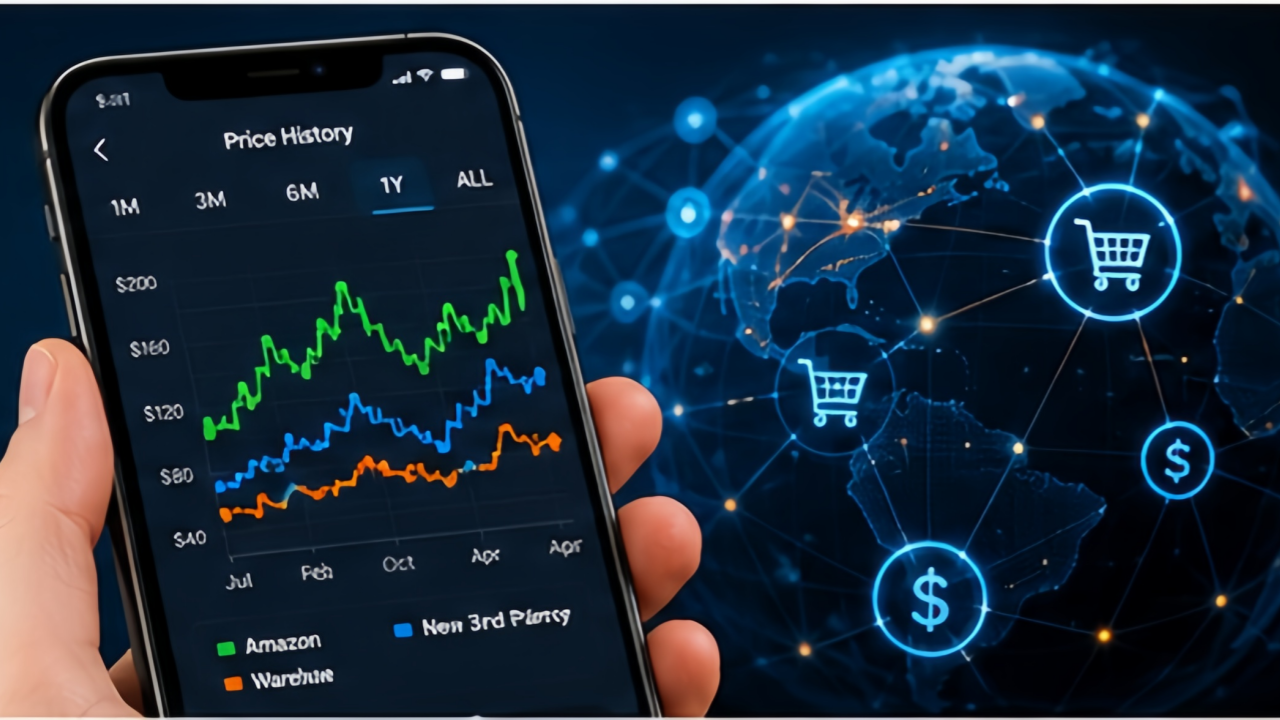
The core feature that sets Keepa apart is its highly granular, multi-layered price history graph. When looking up an item via the app's internal search or the built-in barcode scanner, users get a timeline detailing the exact price fluctuations across months or years. The app separates data into clear, individual tracking lines: the direct price from Amazon itself, third-party marketplace pricing, and even used warehouse deals. This lets shoppers immediately notice if a product's current "deal" is simply its standard average price over the last 90 days.
Pros & Cons
Pros:
* Tracks a massive database of over 6 billion global products across multiple international Amazon marketplaces.
* The barcode scanner allows users to instantly check online price histories while standing in a physical retail store.
* Provides deeper market metrics like historical sales rank and the number of active sellers on a single listing.
Cons:
* The user interface is incredibly dense, cluttered, and features a steep learning curve for casual shoppers.
* Advanced chart overlays and long-term background tracking features are locked behind a expensive premium tier.
2. Honey: Coupons & Rewards
Availability: App Store, Google Play
Pricing: 100% Free
Owned by PayPal, Honey is well-known for its automated coupon scanning extensions. However, its mobile application includes a built-in shopping assistant called "Droplist" that tracks retail pricing shifts over time.
The Reality Check
The standout utility of the Honey app is the "Droplist" function paired with its clean, simplified price charts. When a user shares an Amazon product link directly to the Honey app, the platform displays a straightforward, easy-to-read line graph showing the item's pricing highs and lows over the last 30 to 120 days. Users can tap a single button to add that item to a monitoring list, selecting a target percentage drop (e.g., alert me if it drops by 20%). The platform then monitors the background data and sends a clean smartphone notification the moment the item hits that target.
Pros & Cons
Pros:
* Completely free to use with no hidden subscription fees or premium feature upsells.
* The interface is incredibly clean, minimalist, and accessible to non-technical users.
* Extends tracking utility beyond Amazon to other major web retailers like Walmart and Best Buy.
Cons:
* The historical price charts are highly simplified and lack the hourly precision of dedicated tracker platforms.
* Does not track secondary marketplace sellers or Amazon Warehouse open-box deal pricing.
3. AnyTracker - Smart Price Tracker
Availability: Google Play, App Store
Pricing: Free basic version; optional premium in-app purchases for advanced configuration.
AnyTracker is a highly versatile utility app designed to track numbers across the web. Instead of limiting its parameters to a single pre-built marketplace directory, it lets users actively highlight specific data fields on almost any webpage.
The Reality Check
The engine behind AnyTracker gives users the ability to build custom charts from live web data. When a user pastes an Amazon product URL into the app, it uses an internal parsing script to isolate the price element on the page. Once configured, the app refreshes the target page in the background at regular intervals, logging the numbers into a dedicated, personalized price history graph. For products that are frequently misread by standard scrapers, this direct element-tracking method provides highly personalized accuracy.
Pros & Cons
Pros:
* Highly flexible system that can track items across almost any global e-commerce domain.
* Allows users to adjust the exact background refresh frequency to match how closely they want to watch an item.
* Clean, ad-free interface design that focuses strictly on user-generated chart data.
* Offers customizable widgets for home screen monitoring.
Cons:
* Because it builds charts from the moment an item is added, it does not provide instant access to years of historical data upon the first search.
* Initial setup requires a bit of manual interaction to point the tracker at the correct price number on the screen.
The Final Verdict
For shoppers who want absolute certainty that they are getting a genuine discount, Keepa remains the absolute best application for tracking Amazon price history charts on mobile devices.
While Honey provides an incredibly simple, beautiful interface for casual deal hunting and AnyTracker offers custom flexibility across multiple stores, Keepa wins on the sheer depth of its data pool. Its ability to instantly provide a multi-year breakdown of third-party vs. direct Amazon pricing—without requiring the user to wait for the app to build a new log—makes it an indispensable tool for avoiding artificial sales tactics and securing authentic discounts.