

2026 Guide: Apps for Identifying Hidden Allergens in Groceries
For people living with severe food allergies, celiac disease, or complicated food intolerances, grocery shopping can feel less like a routine errand and more like detective work. Ingredient labels are often filled with vague terms like “natural flavors,” “spices,” or modified starches that can quietly hide dairy, soy, gluten, sesame, or other allergens.
To find the most reliable tools for safer shopping, we tested some of the most popular grocery scanning apps in real supermarkets and while traveling. We focused on more than just whether an app could flag the obvious allergens. We also looked at database accuracy, scanning speed, customization options for households with multiple dietary needs, and how well each app handled hidden ingredients and cross-contamination warnings.
Here are the four best grocery store apps available on iOS and Android right now for identifying hidden food allergens quickly and confidently.
1. Fig: Food Scanner & Guide
Availability: App Store and Google Play
Pricing: Free basic version with limited scans; Fig+ subscription for $49.99/year for unlimited scans, restaurant menus, and multiple profiles.
Why It Stands Out
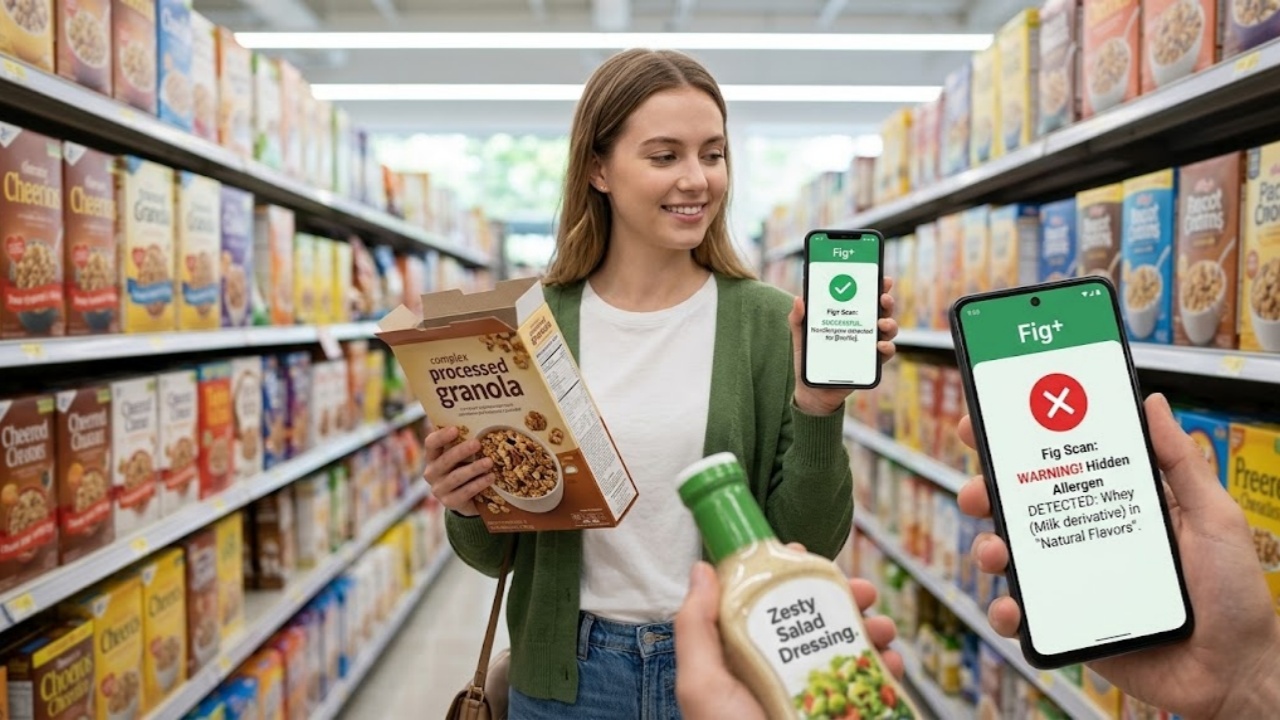
Fig is easily one of the most advanced allergen scanners currently available. Rather than focusing only on the top nine allergens, it allows users to screen foods against more than 2,800 ingredients, dietary restrictions, and sensitivities. That includes conditions and diets that many apps ignore entirely, such as Low FODMAP, histamine intolerance, alpha-gal syndrome, and oral allergy syndrome (OAS).
During testing, the barcode scanner consistently analyzed products in under a second. More importantly, it explained why an ingredient was problematic. Instead of simply labeling a product unsafe, Fig clearly identified hidden derivatives—for example, flagging whey as a milk ingredient or malt extract as a gluten concern.
Its customization tools are especially useful for people managing several dietary restrictions at once.
Pros
Extremely detailed ingredient analysis
Excellent at identifying hidden allergen derivatives
Supports highly customized dietary profiles
Fast and reliable barcode scanning
Cons
The free version limits scans heavily
Most regular shoppers will likely need the paid subscription
2. IngrediCheck
Availability: App Store and Google Play
Pricing: Free version available; premium upgrade unlocks advanced customization features.
Why It Stands Out
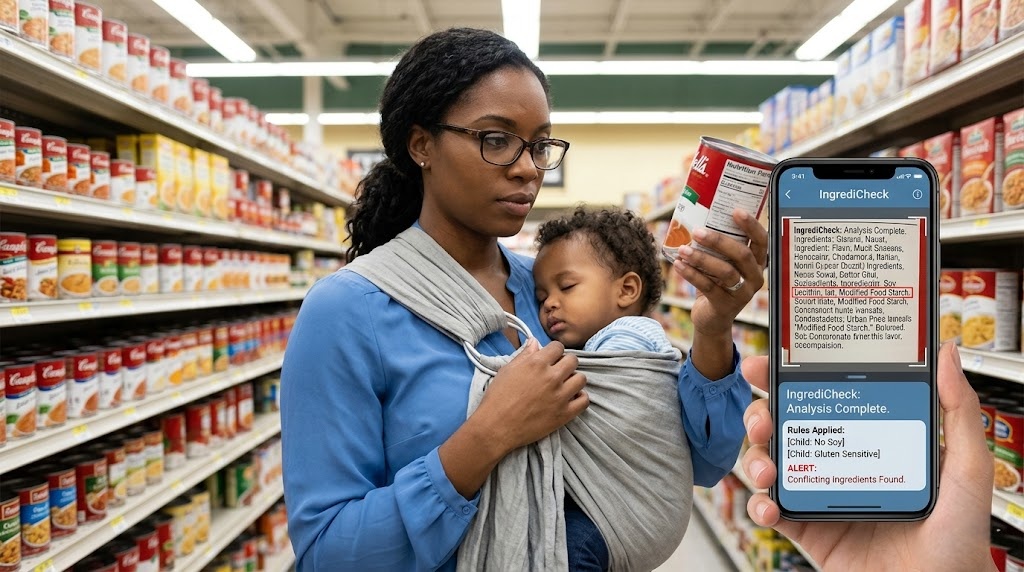
IngrediCheck takes a slightly different approach from most allergen apps. Instead of depending mainly on a large product database, it focuses heavily on analyzing the actual ingredient label in real time using OCR (optical character recognition) and barcode scanning.
This makes it especially useful for families managing multiple allergies. Users can create separate safety profiles for different household members—for example, one child avoiding peanuts and sesame while another family member follows a dairy-free diet.
Because the app reads the current packaging directly, it can sometimes catch formulation changes or regional ingredient differences that database-driven apps miss. Its explanations are also refreshingly straightforward, translating technical ingredient conflicts into plain language.
Pros
Excellent for households with multiple allergy profiles
Reads live ingredient labels instead of relying solely on databases
Helpful plain-English explanations
Cons
Interface feels more functional than polished
Lacks the community-driven recommendations found in other apps
3. Spokin
Availability: App Store
Pricing: Completely free.
Why It Stands Out
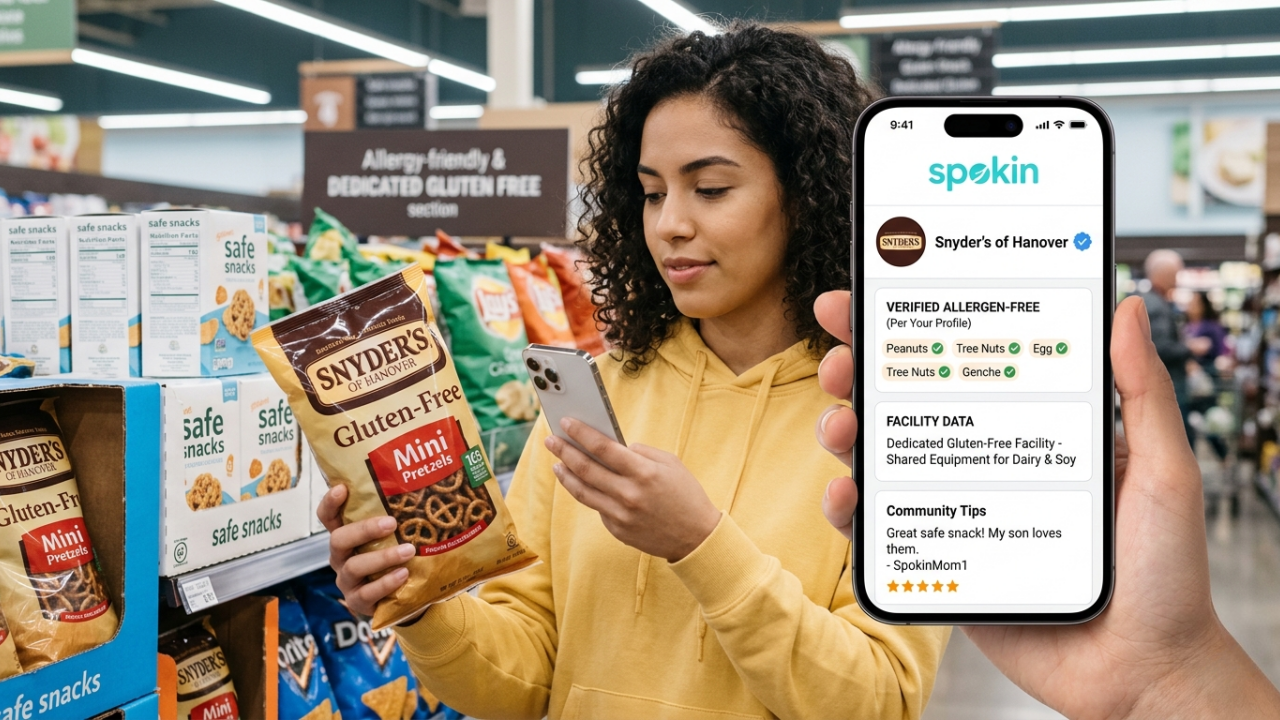
Spokin is less of a traditional barcode scanner and more of a full allergy-support platform. Its biggest strength is helping users evaluate cross-contamination risks and manufacturing practices.
The app includes brand partnerships and community-driven reviews that provide insight into shared production lines, manufacturing facilities, and real-world experiences from people managing similar allergies. For parents of children with severe allergies, this extra layer of information can be incredibly valuable.
Spokin also expands beyond grocery shopping by offering restaurant reviews, travel advice, and allergy-safe recommendations tailored to specific allergen profiles.
Pros
Completely free to use
Excellent for identifying cross-contact risks
Strong community feedback and safety reviews
Includes restaurant and travel guidance
Cons
Not ideal for quick barcode scanning in-store
More focused on community content than instant ingredient analysis
4. Spoonful: Diet & Food Scanner
Availability: App Store and Google Play
Pricing: Free tier with limited scans; premium subscription starts at $5.99/month or $39.99/year.
Why It Stands Out
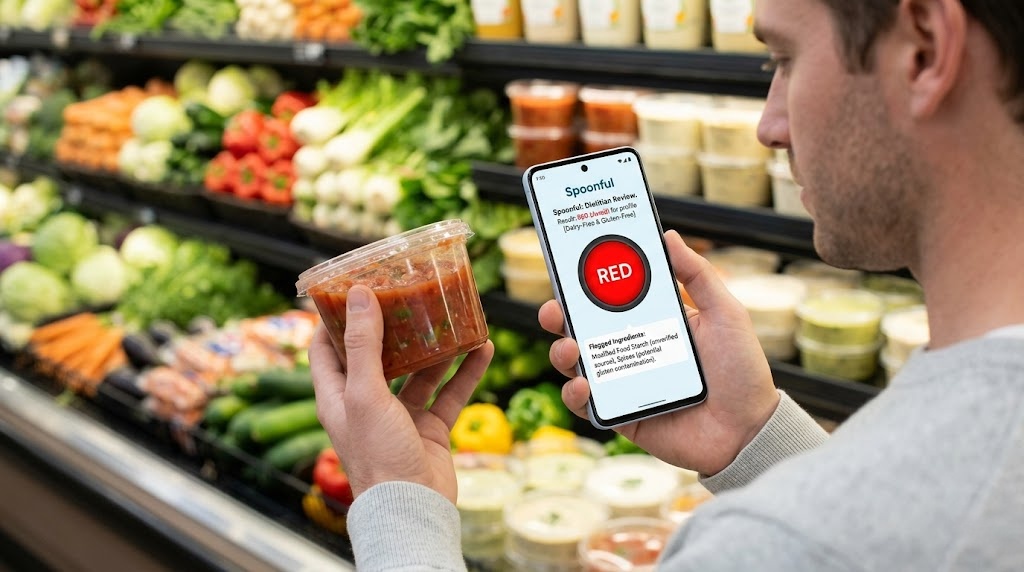
Spoonful keeps things simple with an easy-to-understand traffic light system that labels products as green, yellow, or red based on compatibility with your dietary needs.
What makes the app especially useful is the expert guidance behind those ratings. When we tested products containing vague ingredients like “natural flavors” or “emulsifiers,” Spoonful often included detailed notes from dietitians explaining whether the ingredient was likely to be a concern.
The app is also particularly strong for people balancing allergies alongside medical diets such as Low FODMAP or IBS-related restrictions.
Pros
Clean, beginner-friendly interface
Helpful explanations from dietitians
Great for managing overlapping dietary restrictions
Cons
Free version is extremely limited
Heavy users will likely need the premium plan quickly
Final Verdict
For most shoppers trying to uncover hidden allergens in packaged foods, Fig: Food Scanner & Guide remains the strongest overall choice.
Its ingredient database is exceptionally detailed, the customization options are excellent, and its explanations make complicated food labels much easier to understand. While the subscription cost may feel steep, the app delivers a level of depth and clarity that few competitors currently match.
For people managing severe allergies or multiple food intolerances, that extra confidence at the grocery store can make a meaningful difference every single day.